Meetshaxs Performance Optimization: Boost Speed in 2026
Introduction
If Meetshaxs has become slow, unresponsive, or frequently freezes during daily work, you're not alone. Performance problems often develop over time because of outdated software, limited system resources, background applications, or incorrect configuration.
The good news is that most of these issues can be fixed without replacing your computer.
This guide explains Meetshaxs Performance Optimization using practical, beginner-friendly steps that help improve speed, reduce lag, increase stability, and keep the software running efficiently. Whether you're an individual user, a small business, or part of a larger team, you'll learn how to diagnose performance issues, optimize settings, and follow maintenance practices that keep Meetshaxs performing at its best.
Rather than focusing only on software features, this guide explains why performance problems happen, how to identify them, and which optimization techniques produce the biggest improvements.
Quick Answer
Meetshaxs Performance Optimization is the process of improving the software's speed, responsiveness, and overall efficiency. You can usually achieve better performance by updating the application, reducing background processes, clearing unnecessary cache, optimizing system resources, adjusting software settings, and following regular maintenance practices.
Featured Snippet
Meetshaxs performance optimization involves improving software speed, reducing lag, and increasing stability through system optimization, software updates, resource management, and proper configuration. Regular maintenance, sufficient hardware resources, and optimized settings help ensure faster performance, better responsiveness, and a smoother user experience.
What Is Meetshaxs Performance Optimization?
Meetshaxs Performance Optimization is the process of making the application run more efficiently by reducing unnecessary resource usage and improving how the software interacts with your operating system.
The objective isn't simply to make the application open faster. Good optimization also improves:
- Overall responsiveness
- Task execution speed
- Workflow efficiency
- System stability
- Memory usage
- CPU utilization
- Reliability during heavy workloads
A well-optimized application feels smoother, responds quickly to user input, and handles larger workloads without noticeable slowdowns.
Meetshaxs Performance Optimization at a Glance
| Area | Optimized System | Poorly Optimized System |
| Startup Time | Fast | Slow |
| Response Speed | Instant | Noticeable Delay |
| CPU Usage | Balanced | High |
| RAM Usage | Efficient | Excessive |
| Stability | Stable | Frequent Freezes |
| User Experience | Smooth | Frustrating |
| Workflow Speed | High Productivity | Interrupted Workflow |
| Error Frequency | Minimal | Frequent Errors |
| Maintenance Required | Low | High |
This comparison shows that software performance isn't determined by a single setting. Instead, it's the result of several optimization factors working together.
Why Does Meetshaxs Become Slow?
Software performance usually declines gradually rather than suddenly. As applications grow, accumulate temporary files, process larger datasets, or run alongside multiple background programs, they naturally require more system resources.
Understanding the root cause helps you choose the right solution instead of relying on trial and error.
1. Insufficient RAM
Modern productivity software stores active data in memory. When available RAM is low, your computer starts using slower storage as virtual memory, causing noticeable lag.
Common signs include:
- Delayed response
- Slow switching between windows
- Freezing during large projects
- Long loading times
2. High CPU Usage
Meetshaxs shares processing power with other running applications.
If your CPU is already busy because of browsers, antivirus scans, video editing software, cloud synchronization, or other heavy tasks, Meetshaxs may become sluggish.
Watch for:
- Constant high processor usage
- Fan running loudly
- System heating up
- Delayed task completion
3. Too Many Background Applications
Many users leave dozens of programs running without realizing it.
Examples include:
- Cloud storage syncing
- Browser tabs
- Communication tools
- Game launchers
- Auto-update services
- File indexing
These applications consume valuable resources that Meetshaxs could otherwise use.
4. Outdated Software Version
Older software versions often contain:
- Performance bugs
- Memory leaks
- Compatibility issues
- Security vulnerabilities
Developers regularly release updates that improve stability and efficiency. Ignoring updates can result in slower performance over time.
5. Fragmented or Slow Storage
If Meetshaxs is installed on an older hard drive (HDD), loading files may take significantly longer compared to a modern SSD.
Storage speed affects:
- Startup time
- Project loading
- File saving
- Database access
- Cache retrieval
6. Large Project Files
As projects grow larger, the software must process more information simultaneously.
Examples include:
- Large databases
- Multiple attachments
- Extensive reports
- Long activity histories
- Numerous user accounts
Without optimization, these workloads naturally require additional resources.
7. Temporary Files and Cache
Temporary files improve speed in the short term, but excessive cache buildup can eventually reduce efficiency.
Old cache may cause:
- Slower startup
- Incorrect data loading
- Delayed synchronization
- Unexpected software behavior
Regular cleanup keeps performance consistent.
8. Operating System Issues
Sometimes the software isn't the problem.
Windows itself may experience:
- Corrupted system files
- Pending updates
- Driver conflicts
- Startup overload
- Storage errors
Optimizing the operating system often improves application performance as well.
Signs Your Meetshaxs Software Needs Optimization
Many users assume occasional lag is normal. In reality, consistent slowdowns usually indicate that optimization is needed.
Look for these warning signs:
Slow Startup
The application takes much longer than usual to launch.
Frequent Freezing
The interface becomes unresponsive during everyday tasks.
Delayed Search Results
Finding records or projects takes several seconds instead of responding immediately.
High Memory Usage
Task Manager shows Meetshaxs consuming unusually large amounts of RAM.
Excessive CPU Utilization
Processor usage remains high even when performing simple tasks.
Slow File Saving
Saving changes requires noticeably more time than before.
Unexpected Crashes
The application closes unexpectedly during normal work.
Delayed Synchronization
Cloud-based data or team collaboration updates appear slowly.
Reduced Productivity
Employees spend more time waiting than actually working.
Even small delays repeated throughout the day can significantly reduce overall productivity.
Meetshaxs Performance Optimization Checklist
Before making advanced changes, start with the essentials. This checklist covers the highest-impact improvements that solve the majority of performance issues.
| Task | Priority | Frequency |
| Update Meetshaxs | ⭐⭐⭐⭐⭐ | Monthly |
| Install Windows Updates | ⭐⭐⭐⭐⭐ | Monthly |
| Restart Computer | ⭐⭐⭐⭐ | Weekly |
| Clear Temporary Files | ⭐⭐⭐⭐ | Monthly |
| Clear Software Cache | ⭐⭐⭐⭐ | Monthly |
| Close Unnecessary Applications | ⭐⭐⭐⭐⭐ | Daily |
| Monitor CPU Usage | ⭐⭐⭐⭐ | Weekly |
| Monitor RAM Usage | ⭐⭐⭐⭐ | Weekly |
| Check Available Storage | ⭐⭐⭐⭐ | Monthly |
| Disable Unnecessary Startup Apps | ⭐⭐⭐⭐ | Monthly |
| Scan for Malware | ⭐⭐⭐⭐ | Monthly |
| Backup Important Data | ⭐⭐⭐⭐⭐ | Weekly |
Completing these basic tasks regularly prevents many common performance problems before they become serious.
How to Measure Current Performance Before Optimizing
Before making changes, establish a baseline. This allows you to compare results after optimization and identify which improvements had the greatest impact.
Record metrics such as:
| Metric | Before Optimization | After Optimization |
| Startup Time | ____ seconds | ____ seconds |
| CPU Usage | ____ % | ____ % |
| RAM Usage | ____ GB | ____ GB |
| Project Load Time | ____ seconds | ____ seconds |
| Save Time | ____ seconds | ____ seconds |
| Crash Frequency | ____ per week | ____ per week |
Tracking these values helps you evaluate the effectiveness of your optimization efforts instead of relying solely on perception.
Pro Tip
Start with the simplest fixes first. Updating Meetshaxs, restarting your computer, closing unnecessary background applications, and clearing temporary files often resolve a large percentage of performance issues without requiring advanced system changes.
Step-by-Step Guide: How to Improve Meetshaxs Performance
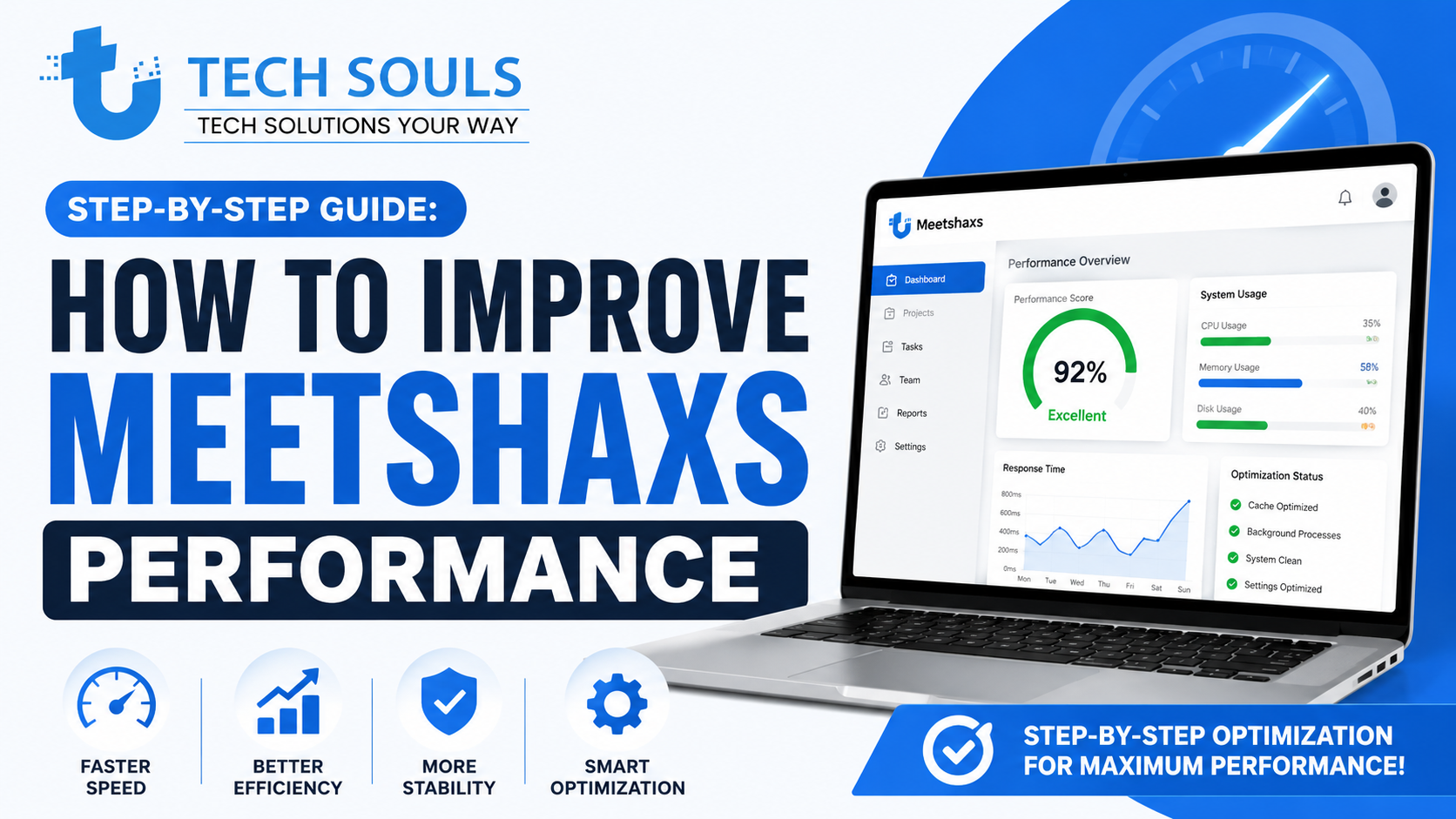
Once you've identified the possible causes of slow performance, it's time to apply practical optimizations. Start with the easiest changes first, then move to more advanced techniques if needed. This approach minimizes downtime while delivering noticeable improvements.
1. Update Meetshaxs to the Latest Version
Software updates are more than feature releases—they often include bug fixes, security patches, and performance improvements.
Why it matters
Running an outdated version may lead to:
- Slow processing
- Memory leaks
- Compatibility issues
- Unexpected crashes
- Reduced stability
Best practices
- Enable automatic updates if available.
- Install updates during non-working hours.
- Review release notes for performance-related fixes.
- Restart the application after updating.
Pro Tip: Before installing a major update, create a backup of important data.
2. Close Unnecessary Background Applications
Every running application competes for system resources. Even if you're not actively using them, they can consume CPU, RAM, disk bandwidth, and network resources.
Common resource-heavy applications include:
- Multiple browser windows with dozens of tabs
- Video conferencing tools
- Cloud storage synchronization
- Video editing software
- Virtual machines
- Game launchers
Recommendation
Before opening Meetshaxs:
- Close applications you don't need.
- Restart your computer if it has been running for several days.
- Check Task Manager for unusually high resource usage.
This simple habit often results in immediate performance improvements.
3. Monitor CPU and RAM Usage
Understanding your computer's resource usage helps identify bottlenecks.
CPU
High CPU usage may indicate:
- Background software conflicts
- Heavy calculations
- Large project processing
- Malware
- Insufficient hardware
RAM
When available memory becomes limited, Windows begins using virtual memory stored on the drive, which is much slower than physical RAM.
If RAM usage stays above 80–90% while using Meetshaxs, consider:
- Closing other applications.
- Increasing installed memory.
- Splitting very large projects into smaller sections.
4. Clear Temporary Files and Cache
Temporary files help applications work faster in the short term. However, as they accumulate, they may slow startup times or create inconsistencies.
Clearing cache can help:
- Improve startup speed
- Free storage space
- Remove outdated temporary data
- Improve responsiveness
Good practice
Clear temporary files:
- Every month for regular users
- Every two weeks for heavy business use
Avoid deleting configuration files unless you understand their purpose.
5. Optimize Storage Performance
Storage speed has a direct impact on software responsiveness.
SSD vs HDD
| Storage Type | Performance |
| SSD | Faster startup, quicker file access, better responsiveness |
| HDD | Slower loading times and reduced performance under heavy workloads |
If you're still using an HDD, upgrading to an SSD is one of the most effective hardware improvements for faster application performance.
Keep Free Space Available
Maintain at least 20% free disk space to allow the operating system and applications to function efficiently.
6. Disable Unnecessary Startup Programs
Many applications automatically start with Windows, increasing boot time and consuming resources before you even launch Meetshaxs.
Review startup programs periodically and disable anything you don't use regularly.
Examples:
- Music launchers
- Gaming clients
- Chat applications
- Auto-updaters you rarely need
Fewer startup applications mean more resources are available for productive work.
7. Keep Windows Updated
Operating system updates often improve:
- Memory management
- Security
- Driver compatibility
- Hardware performance
- Overall system stability
Ignoring updates can lead to compatibility problems that indirectly affect Meetshaxs.
Schedule updates outside business hours to avoid interruptions.
8. Optimize Meetshaxs Configuration
Default settings may not always provide the best performance.
Depending on your workflow, consider:
- Reducing unnecessary visual effects
- Limiting automatic background synchronization
- Archiving old projects
- Removing unused integrations
- Simplifying dashboards
Every organization uses the software differently, so review settings based on your daily workload.
Best Meetshaxs Settings for Maximum Performance
The ideal configuration depends on your hardware and project size, but these practices generally improve responsiveness.
| Setting | Recommendation | Benefit |
| Software Version | Latest Stable Release | Better stability |
| Auto Updates | Enabled | Bug fixes and security patches |
| Background Sync | Only When Needed | Lower resource usage |
| Notifications | Disable unnecessary alerts | Fewer interruptions |
| Archived Projects | Archive inactive work | Faster searches |
| Integrations | Remove unused tools | Reduced overhead |
| Cache | Clear periodically | Improved responsiveness |
These adjustments may seem small individually, but together they can significantly improve day-to-day performance.
Advanced Optimization Techniques
If basic optimizations haven't resolved your issues, consider these advanced methods.
Workflow Optimization
Complex workflows with unnecessary steps increase processing time and reduce productivity.
Review your processes to:
- Remove duplicate tasks
- Automate repetitive actions
- Standardize templates
- Simplify approvals
Cleaner workflows reduce both user effort and software workload.
Resource Monitoring
Monitor system performance regularly rather than waiting for problems to appear.
Track:
- CPU usage
- RAM consumption
- Disk activity
- Network usage
- Application responsiveness
Identifying trends early helps prevent future slowdowns.
Performance Benchmarking
Benchmarking measures software performance before and after optimization.
Useful metrics include:
| Metric | Target |
| Startup Time | Under 15 seconds |
| Project Load Time | Under 10 seconds |
| Save Operation | Under 5 seconds |
| CPU Usage During Normal Tasks | Below 60% |
| RAM Usage | Stable without continuous growth |
Recording these metrics helps you determine whether your optimizations are actually making a difference.
Before vs. After Optimization
| Performance Area | Before Optimization | After Optimization |
| Startup Speed | Slow | Faster |
| Navigation | Delayed | Smooth |
| Search Results | Laggy | Instant |
| File Saving | Slow | Quick |
| CPU Usage | High | Optimized |
| Memory Usage | Excessive | Balanced |
| Stability | Frequent freezes | Stable |
| Productivity | Reduced | Improved |
While results vary based on hardware and workload, following the optimization steps in this guide can noticeably improve the overall user experience.
Expert Tip
Don't rely on a single "magic fix." The best results come from combining regular software updates, efficient system maintenance, optimized settings, and healthy hardware. Consistent maintenance prevents performance issues from returning.
Common Meetshaxs Performance Issues and How to Fix Them
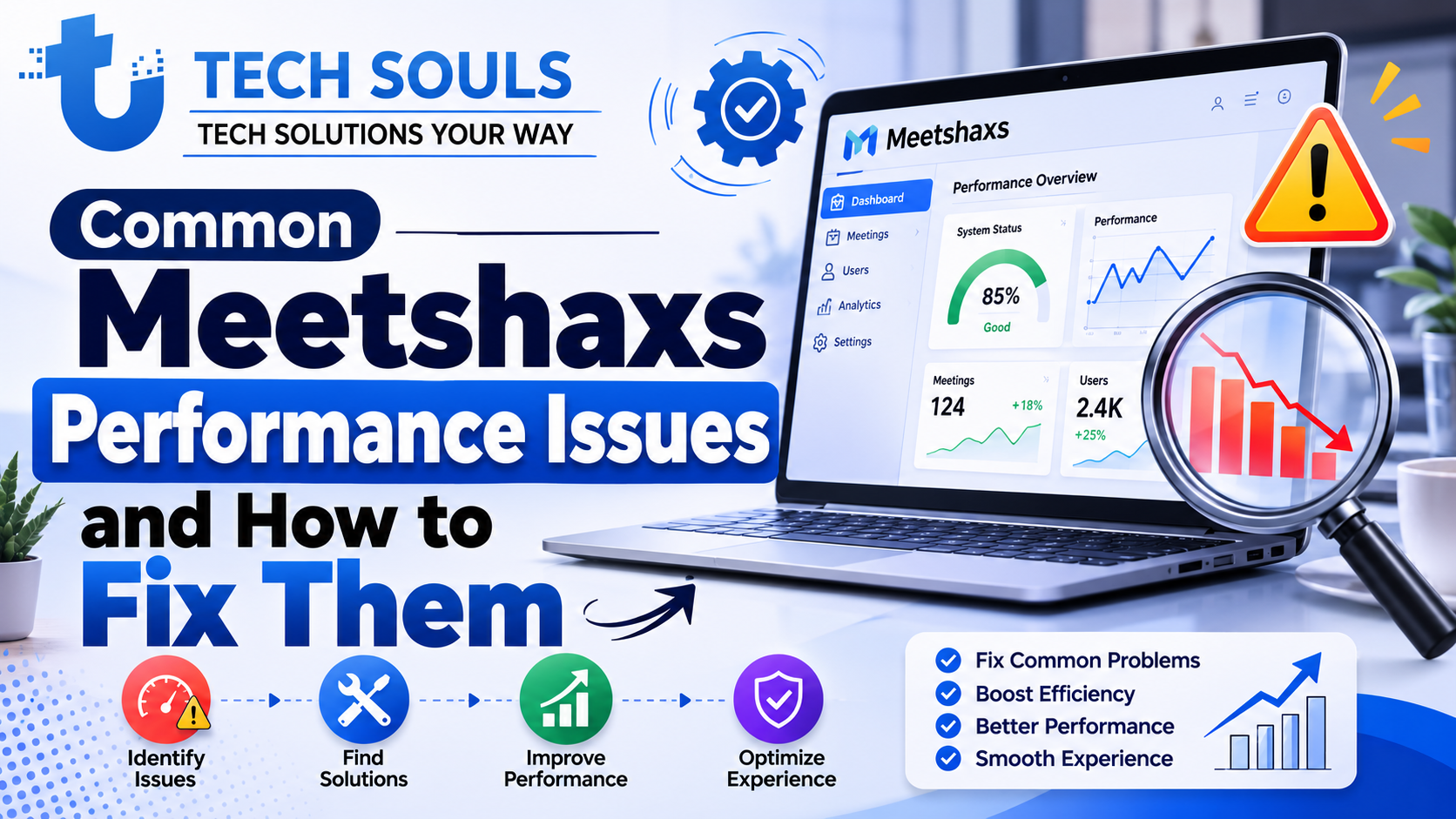
Even after following optimization best practices, you may still encounter occasional performance problems. The key is to identify the root cause rather than applying random fixes.
The table below outlines some of the most common issues and practical solutions.
| Problem | Possible Cause | Recommended Solution |
| Slow startup | Too many startup programs, outdated version | Disable unnecessary startup apps and update Meetshaxs |
| Application freezes | Insufficient RAM or large workloads | Close unused programs, archive old projects, or upgrade RAM |
| High CPU usage | Background processes or heavy tasks | End unnecessary processes and monitor CPU usage |
| Slow file loading | HDD storage or large project files | Move to an SSD and optimize project data |
| Frequent crashes | Corrupted installation or outdated drivers | Update drivers, reinstall Meetshaxs if necessary |
| Delayed synchronization | Poor internet connection or excessive background syncing | Check network stability and reduce unnecessary sync tasks |
| Search takes too long | Large database or unorganized data | Archive inactive records and optimize data structure |
| Unexpected errors | Software conflicts or incomplete updates | Complete pending updates and restart the system |
Common Mistakes That Reduce Meetshaxs Performance
Many users unknowingly create performance problems through poor maintenance habits.
Avoid these common mistakes:
Ignoring Software Updates
Skipping updates means missing important bug fixes, performance improvements, and security patches.
Running Too Many Applications
Keeping dozens of programs open reduces the resources available to Meetshaxs.
Never Restarting the Computer
Some users leave their computers running for weeks. A simple restart can clear temporary memory, stop unnecessary background processes, and improve responsiveness.
Allowing Storage to Fill Completely
When your system drive is nearly full, overall performance often declines.
Try to maintain at least 20% free disk space.
Ignoring Warning Signs
Frequent lag, crashes, or slow loading shouldn't be ignored. Addressing small issues early can prevent larger problems later.
Deleting Important Files
Removing random folders while trying to "clean" the system may damage software functionality.
Only delete temporary files using trusted cleanup methods.
Best Practices for Long-Term Performance
Performance optimization isn't a one-time task. Consistent maintenance helps keep Meetshaxs running efficiently over the long term.
Weekly
- Restart your computer.
- Check for unusual CPU or RAM usage.
- Close unnecessary background applications.
- Back up important project data.
Monthly
- Install software updates.
- Update Windows and device drivers.
- Clear temporary files and application cache.
- Review startup applications.
- Check available storage space.
Quarterly
- Review archived projects.
- Remove unused integrations.
- Benchmark application performance.
- Perform a complete system health check.
Following a maintenance routine reduces the likelihood of unexpected slowdowns and improves long-term stability.
Expert Recommendations
Based on general software performance best practices, these habits can make the biggest difference over time:
Keep Hardware Healthy
Software optimization has limits. If your computer no longer meets the application's recommended requirements, hardware upgrades—such as additional RAM or an SSD—may provide greater improvements than software tweaks alone.
Optimize Before Expanding
Before installing plugins, integrations, or additional tools, make sure the existing setup is already running efficiently.
Train Your Team
In business environments, inconsistent usage habits can affect performance.
Provide basic training on:
- Organizing projects
- Managing large files
- Closing unnecessary applications
- Following update schedules
Good user habits contribute to better software performance.
Monitor Performance Regularly
Don't wait until users complain.
Track:
- Startup time
- CPU usage
- Memory consumption
- Application responsiveness
- Crash frequency
Small changes over time often reveal larger issues before they become critical.
When Optimization May Not Be Enough
Sometimes performance problems are caused by factors outside the application itself.
Optimization alone may not solve issues related to:
- Outdated hardware
- Failing storage drives
- Insufficient RAM
- Operating system corruption
- Malware infections
- Unstable internet connections
- Unsupported software versions
In these situations, hardware upgrades or professional system maintenance may be necessary.
Frequently Asked Questions
How often should I optimize Meetshaxs?
For most users, performing basic maintenance once a month is sufficient. Businesses with heavy daily workloads may benefit from weekly performance checks.
Will clearing cache delete my data?
Generally, clearing temporary cache removes stored temporary files rather than permanent project data. However, it's always a good idea to create a backup before making major changes.
Can low RAM affect Meetshaxs performance?
Yes. Insufficient RAM can lead to slow response times, freezing, and increased use of virtual memory, which is significantly slower than physical memory.
Does updating Meetshaxs improve performance?
Yes. Updates often include bug fixes, performance enhancements, compatibility improvements, and security patches that contribute to better overall stability.
Is an SSD better than an HDD for Meetshaxs?
Yes. SSDs provide much faster read and write speeds, reducing startup times, file loading delays, and overall application latency.
Why does Meetshaxs become slower over time?
Performance may decline because of growing project data, accumulated temporary files, outdated software, background applications, or limited system resources. Regular maintenance helps prevent these issues.
Key Takeaways
- Keep Meetshaxs updated to benefit from the latest performance improvements.
- Close unnecessary background applications to free system resources.
- Monitor CPU, RAM, and storage usage regularly.
- Clear temporary files and cache as part of routine maintenance.
- Archive inactive projects to improve responsiveness.
- Upgrade to an SSD and add more RAM if hardware becomes a bottleneck.
- Follow a regular maintenance schedule rather than waiting for problems to appear.
- Measure performance before and after optimization to evaluate improvements.
Conclusion
Improving Meetshaxs performance isn't about applying a single fix—it's about building a consistent optimization routine. By keeping the software updated, managing system resources, maintaining healthy storage, and reviewing your configuration regularly, you can significantly improve speed, stability, and overall productivity.
Whether you're an individual professional or managing a team, small maintenance habits can prevent larger performance issues in the future. Start with the basic checklist, monitor results, and apply advanced optimizations only when necessary. Over time, these practices will help ensure that Meetshaxs remains responsive, reliable, and ready for demanding workloads.
Continue Exploring TechSouls
Technology is constantly evolving, and staying informed helps you make better decisions whether you're interested in software, AI, cybersecurity, gadgets, or the latest tech trends. At TechSouls, we regularly publish in-depth guides, tutorials, troubleshooting articles, and breaking technology news to keep you updated with accurate and practical information. If you found this article helpful, explore more of our latest content below to expand your knowledge and stay ahead in the fast-changing world of technology.
[Pboxcomputers Tech Updates: AI Trends & Releases (2026)]
[Software Technolotal: Complete Guide (2026)]
[Zenvekeypo4 Software Problem: 15 Easy Fixes for Crashes]
[PlayBattleSquare Guide: Tips, Strategies & Win to Faster (2026)]
[Connectivity HSS Gamepad Complete Guide: Setup & Pairing]
[DigitalRGS Everything Apple Guide: Apple Ecosystem Explained]
[Tommy Jacobs Gaming EyeXcon Guide: Features, Setup]
[Latest Tech Info at BeaconSoft | AI, Cloud & Software Trends 2026]