Endbugflow Software: Features, Benefits & How It Works
Introduction
Businesses today rely on automation to reduce repetitive work, improve collaboration, and streamline daily operations. Workflow management software has become an essential part of digital transformation, helping teams organize tasks, automate processes, and monitor performance from a central platform.
Endbugflow is presented online as a workflow automation and business process management solution. While publicly available technical documentation is limited, it is generally described as software that helps organizations manage workflows, automate routine activities, and improve operational efficiency.
This guide explains what Endbugflow is, how workflow automation platforms typically operate, where Endbugflow appears to fit within that ecosystem, and the best practices to consider before adopting any workflow management solution.
Editorial Note: This article is based on publicly available information and established workflow automation concepts. Where official product documentation is unavailable, general industry best practices are used instead of making unsupported technical claims.
Quick Answer
Endbugflow is described as a workflow automation platform designed to help organizations organize tasks, automate business processes, and improve collaboration. Like many workflow management tools, it aims to reduce manual work by centralizing workflows, tracking progress, and supporting team productivity.
Featured Snippet
Endbugflow is a workflow automation software solution that helps businesses organize processes, manage tasks, and improve operational efficiency. It centralizes workflows, supports collaboration, and reduces repetitive work, making it easier for teams to monitor progress and complete projects more effectively.
What Is Endbugflow Software?
Endbugflow falls into the category of workflow automation and business process management (BPM) software. These platforms are designed to replace manual, repetitive processes with structured digital workflows.
Instead of tracking work through emails or spreadsheets, users manage activities within a centralized system where tasks, approvals, notifications, and reporting are organized in one place.
Although publicly available information about Endbugflow is limited, the software is generally positioned as a solution for businesses looking to simplify operational workflows and improve productivity.
Why Workflow Automation Matters
Manual processes often create unnecessary delays and increase the risk of human error. As teams grow, coordinating tasks across departments becomes more difficult without a structured system.
Workflow automation addresses these challenges by:
- Standardizing business processes
- Reducing repetitive manual work
- Improving task visibility
- Supporting collaboration
- Tracking progress in real time
- Helping managers identify bottlenecks
- Providing consistent reporting
For example, instead of emailing multiple team members to approve a document, a workflow system can automatically assign reviewers, notify stakeholders, and record each approval step.
How Endbugflow Software Appears to Work
While implementation details may vary, workflow automation platforms generally follow a similar process:
| Stage | Purpose |
| Data Input | Users create tasks, requests, or workflows. |
| Workflow Processing | The system routes tasks according to predefined rules. |
| Collaboration | Team members receive assignments and updates. |
| Monitoring | Managers track progress through dashboards and reports. |
| Completion | Finished tasks are recorded for reporting and future analysis. |
This structured approach helps organizations maintain consistency across recurring business activities.
Core Features to Look For
When evaluating Endbugflow—or any workflow automation software—these are the capabilities that matter most:
Workflow Automation
Automating repetitive tasks can reduce manual effort and ensure processes follow consistent rules. Examples include approval chains, task assignments, and reminders.
Task Management
A centralized task list helps teams prioritize work, assign responsibilities, and monitor deadlines.
Dashboard and Reporting
A dashboard provides an overview of ongoing work, pending tasks, completed activities, and performance metrics, enabling managers to make informed decisions.
Notifications
Automated alerts keep team members informed about upcoming deadlines, approvals, or workflow changes, reducing the need for manual follow-ups.
Collaboration
Workflow platforms typically support collaboration by allowing users to comment on tasks, share files, and coordinate work within the same environment.
Common Business Use Cases
Workflow automation software can support many departments and industries.
Human Resources
- Employee onboarding
- Leave requests
- Performance reviews
- Document approvals
Sales
- Lead tracking
- Proposal approvals
- Customer follow-ups
- CRM-related tasks
Marketing
- Content publishing
- Campaign approvals
- Asset reviews
- Social media scheduling
IT Operations
- Help desk tickets
- Software requests
- Change management
- Incident tracking
Finance
- Invoice approvals
- Expense reimbursement
- Budget reviews
- Purchase requests
Workflow Lifecycle: How a Typical Workflow Moves Through the System
Although every workflow automation platform has its own interface, most follow a similar lifecycle. Understanding these stages helps you evaluate whether Endbugflow—or any comparable platform—fits your business needs.
| Stage | What Happens | Business Benefit |
| Request Created | A user submits a task, form, or request. | Standardized data collection |
| Validation | Required fields and rules are checked. | Fewer errors |
| Assignment | The task is assigned automatically or manually. | Faster response times |
| Processing | Team members complete their assigned work. | Clear accountability |
| Review & Approval | Managers or stakeholders approve or reject the task. | Better governance |
| Completion | The workflow is marked complete and archived. | Accurate record keeping |
| Reporting | Performance data is collected for analysis. | Continuous improvement |
This structured process reduces confusion, especially when multiple departments are involved.
Step-by-Step Implementation Guide
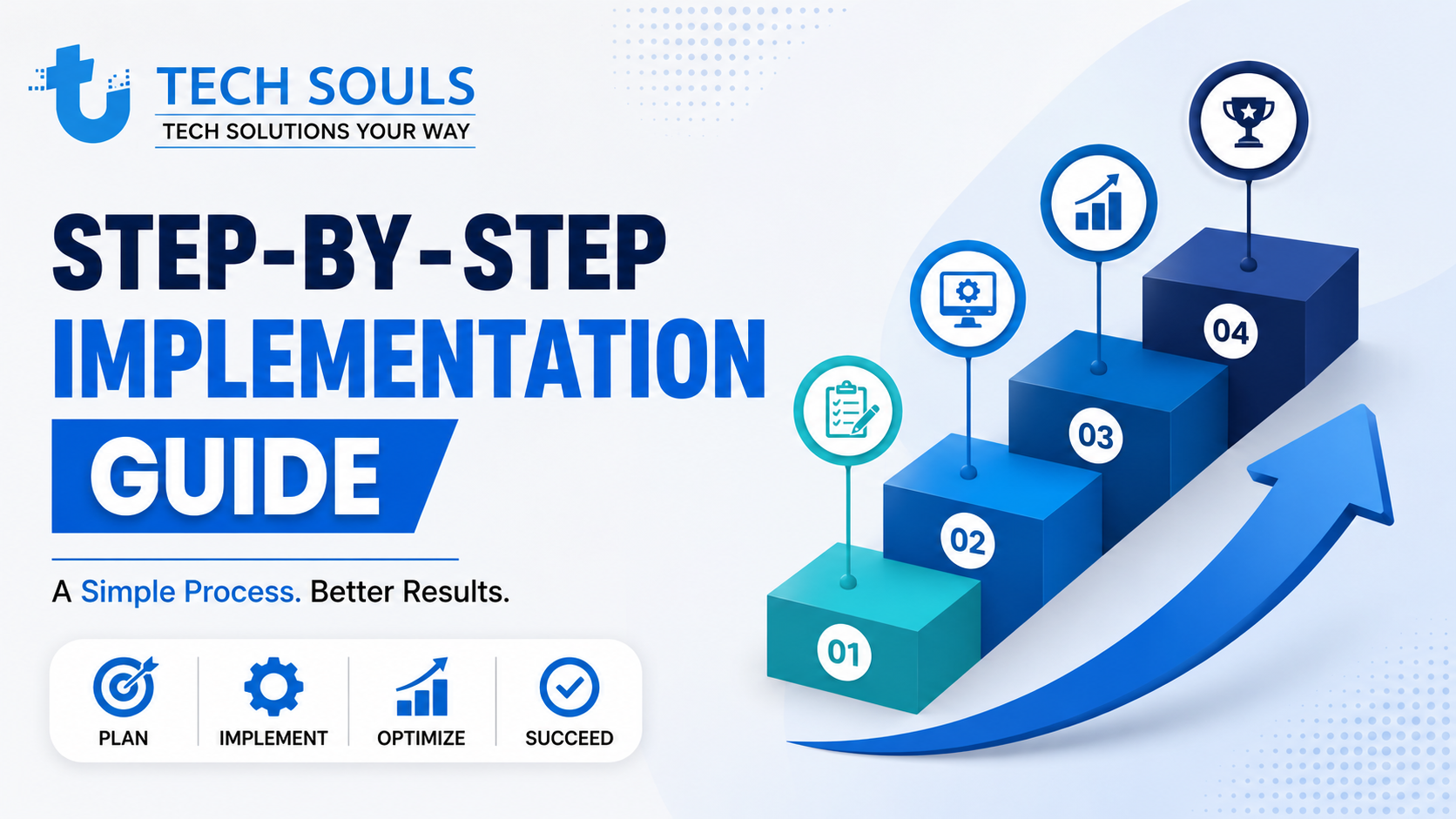
Implementing workflow software successfully involves more than installing the platform. A clear rollout strategy increases adoption and reduces disruption.
Step 1: Identify Repetitive Processes
Start by listing processes that consume time or frequently cause delays.
Examples include:
- Employee onboarding
- Purchase approvals
- Customer support requests
- Invoice processing
- Content approval workflows
Choose one process first rather than automating everything at once.
Step 2: Map Your Existing Workflow
Document how work currently moves through your organization.
Ask questions such as:
- Who creates the task?
- Who approves it?
- What information is required?
- Where do delays usually occur?
This baseline makes it easier to design an improved workflow.
Step 3: Configure Workflow Rules
Define rules such as:
- Assignment logic
- Approval sequence
- Notifications
- Due dates
- Escalation conditions
Simple workflows are often easier to maintain than highly complex automation.
Step 4: Test Before Deployment
Before introducing the workflow to the entire organization:
- Test with a small team.
- Verify notifications.
- Confirm approvals work correctly.
- Check that reports reflect accurate data.
- Gather user feedback.
Address issues early to avoid larger problems after rollout.
Step 5: Train Users
Even intuitive software benefits from proper onboarding.
Provide:
- Short video tutorials
- Written documentation
- Internal FAQs
- Live demonstrations
- Quick reference guides
Well-trained users are more likely to adopt the platform successfully.
Step 6: Monitor and Improve
Workflow automation is not a one-time project.
Review performance regularly by tracking:
- Completion times
- Approval delays
- Bottlenecks
- Error rates
- User feedback
Continuous improvement keeps workflows efficient as business needs evolve.
Benefits of Workflow Automation
Whether you're evaluating Endbugflow or another workflow platform, automation offers several practical advantages.
Improved Productivity
Automating repetitive tasks allows employees to focus on higher-value work instead of administrative activities.
Better Visibility
Managers can quickly see:
- Active tasks
- Pending approvals
- Overdue work
- Team workloads
This improves planning and resource allocation.
Fewer Errors
Standardized workflows reduce inconsistencies caused by manual processes.
Required fields, validation rules, and approval steps help maintain data quality.
Faster Collaboration
Instead of relying on email chains, team members collaborate within a shared workspace where tasks, comments, and updates remain organized.
Scalable Operations
As organizations grow, workflow automation helps maintain consistency without dramatically increasing administrative effort.
Potential Limitations
No workflow platform is perfect.
Before implementation, consider these challenges.
Learning Curve
Employees may require training before they become comfortable with new processes.
Process Complexity
Overly complicated workflows can create unnecessary friction.
Start simple and expand gradually.
Change Management
Some employees may resist replacing familiar manual processes.
Clear communication and training help improve adoption.
Integration Requirements
Many organizations already use CRM, ERP, accounting, or communication platforms.
Before selecting workflow software, verify that it supports the integrations your business requires.
Security Considerations
Workflow software often stores operational and business information.
When evaluating any platform, consider whether it provides:
- Secure authentication
- Role-based access controls
- Audit logs
- Data backup and recovery
- Encryption for data in transit and at rest
- Compliance with relevant regulations
If security is a priority, consult the vendor's official documentation for current security practices and certifications.
Best Practices
To maximize the value of workflow automation:
- Automate repetitive processes first.
- Keep workflows simple and easy to understand.
- Define clear ownership for every task.
- Review workflows periodically.
- Remove unnecessary approval steps.
- Train new users consistently.
- Monitor performance metrics.
- Collect feedback from employees.
These practices improve long-term adoption and efficiency.
Common Mistakes to Avoid
Automating a Broken Process
Automation should improve an effective process—not preserve an inefficient one.
Review and optimize the process before automating it.
Creating Too Many Approval Steps
Every additional approval increases turnaround time.
Only include approvals that provide genuine value.
Ignoring User Feedback
Frontline employees often identify workflow issues before managers do.
Gather feedback regularly and refine workflows accordingly.
Failing to Measure Success
Track metrics such as:
- Average completion time
- Number of overdue tasks
- User adoption
- Process efficiency
- Customer response time
These indicators help determine whether automation is delivering meaningful improvements.
Endbugflow vs General Workflow Automation Platforms
Because detailed public information about Endbugflow is limited, it is more appropriate to compare it against common workflow software capabilities rather than claiming feature parity with specific products.
| Feature | Endbugflow (Publicly Described) | Typical Workflow Platform |
| Workflow Management | ✓ | ✓ |
| Task Organization | ✓ | ✓ |
| Team Collaboration | Appears Supported | ✓ |
| Automation | Appears Supported | ✓ |
| Dashboards | Publicly Mentioned | ✓ |
| Reporting | Likely Available | ✓ |
| Integrations | Verify with Vendor | Varies |
| API Access | Verify with Vendor | Often Available |
This comparison highlights why confirming vendor documentation is important before making purchasing decisions.
Frequently Asked Questions
What is Endbugflow Software?
Endbugflow is described online as a workflow automation and business process management platform designed to help organizations organize tasks, streamline operations, and improve productivity.
Who can use Endbugflow?
Workflow automation software is commonly used by businesses of all sizes, including HR teams, marketing departments, finance teams, IT operations, customer support, and project managers.
Does Endbugflow automate business processes?
Based on publicly available descriptions, workflow automation is one of its primary objectives. For detailed implementation capabilities, refer to official vendor documentation.
Is Endbugflow suitable for small businesses?
Many workflow automation platforms are suitable for small and medium-sized businesses, particularly those seeking to reduce manual work and improve operational consistency.
How should businesses evaluate workflow software?
Consider factors such as:
- Ease of use
- Customization
- Reporting
- Security
- Scalability
- Vendor support
- Integration options
- Pricing
- Documentation
- Long-term roadmap
Key Takeaways
- Endbugflow is positioned as a workflow automation solution for improving operational efficiency.
- Workflow automation helps reduce repetitive work, improve visibility, and support collaboration.
- Successful implementation depends as much on process design and user adoption as on the software itself.
- Evaluate workflow platforms using verified documentation, security practices, integration capabilities, and scalability rather than marketing claims alone.
Conclusion
Workflow automation has become an essential part of modern business operations, enabling teams to standardize processes, reduce manual effort, and improve collaboration. While publicly available information about Endbugflow remains limited, it is generally presented as a platform intended to support these goals.
If you're considering Endbugflow, take time to verify its official documentation, available integrations, security practices, and support options before making a decision. More importantly, focus on selecting a workflow solution that aligns with your organization's processes, growth plans, and long-term operational needs. A thoughtful implementation strategy, combined with regular optimization, will deliver far greater value than simply adopting new software.
Continue Exploring TechSouls
Technology is constantly evolving, and staying informed helps you make better decisions whether you're interested in software, AI, cybersecurity, gadgets, or the latest tech trends. At TechSouls, we regularly publish in-depth guides, tutorials, troubleshooting articles, and breaking technology news to keep you updated with accurate and practical information. If you found this article helpful, explore more of our latest content below to expand your knowledge and stay ahead in the fast-changing world of technology.
[Why Was Innerlifthunt Game Postponed? Complete Update (2026)]
[GDTJ45 Builder Software Guide (2026): Features & How It Works]
[Meetshaxs Performance Optimization: Boost Speed in 2026]
[DualMedia Mobile App Guide: Features, Safety & Availability]
[Best Internet Setup for Gamers: Low Ping & Stable Speed]
[Social Media Stuff EmbedTree Features and Setup Guide 2026]
[Evolution of Digital Technology: Trends, AI and Innovation (2026)]